The new AI models are getting serious
A new round of AI models is showing up, and this one is worth paying attention to.
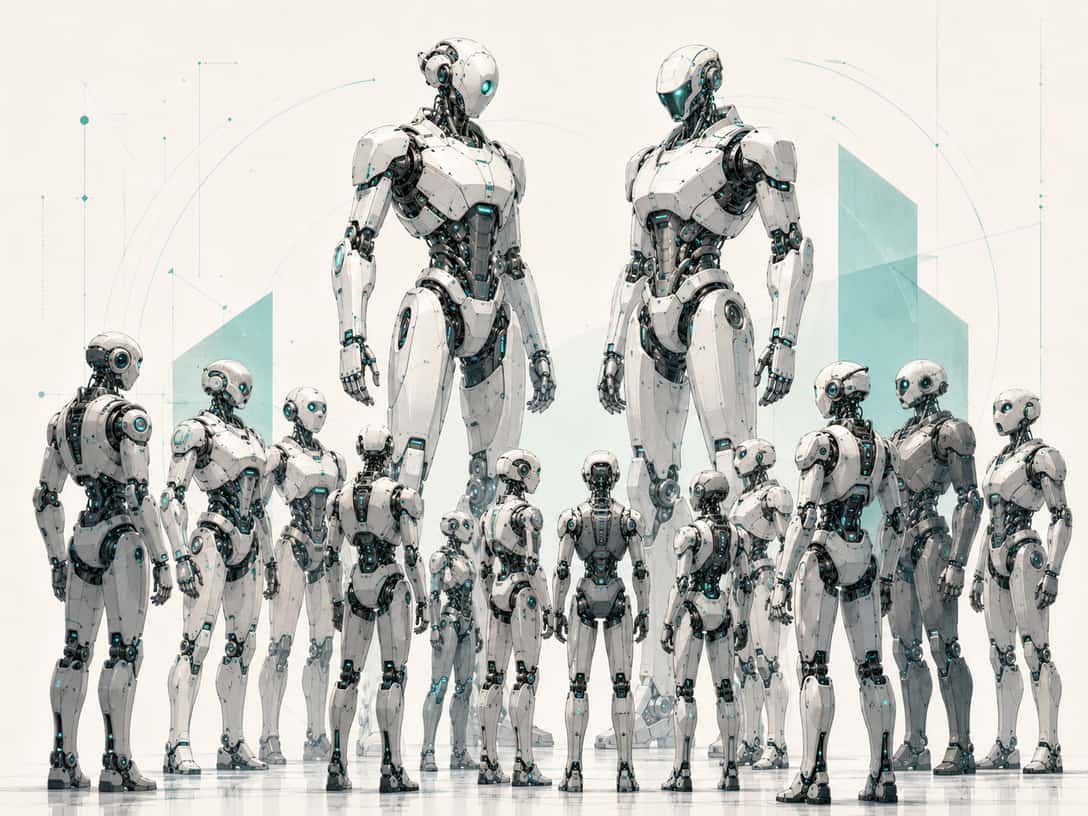
Anthropic has a new high-end Claude model called Fable 5, its most powerful publicly released model to date. This week OpenAI is also rolling out its next series of models, GPT-5.6, including Sol, Terra and Luna.
Fable 5 was released last month, then Anthropic had to suspend access after new US export-control restrictions. Access has now been restored. For a short time it will be included in paid Claude plans, but after July 12 it will only be available with usage credits.
OpenAI's Sol is the heavyweight model in the new GPT-5.6 family, possibly coming close to Fable 5. ChatGPT's second new model, Terra, is meant to be the more balanced everyday model, and Luna is the faster, cheaper option.
These models are much better at the kind of work that needs real thinking: planning, research, coding, analyzing long documents, using tools, and working through a multi-step project without losing the plot halfway through.
Claude Sonnet 5 is also worth watching. It is Anthropic's newer everyday work model, and it is especially strong for agent-style work: planning steps, using tools, coding, checking its own output, and carrying a task further than older models usually did. The catch is that higher "thinking" levels can use a lot more tokens, so it pays to choose the right setting.
If this feels like a lot of model names, here's what you need to know practically:
- 01The new models are far more capable.
- 02You should not use the biggest model for every task.
- 03If you are asking for a caption, a short email, a WhatsApp message, or a simple summary, the regular model is usually enough.
- 04Save the stronger models, or the heavier thinking mode, for work where the extra brainpower actually matters: a complicated project, a long document, a sensitive decision, a coding task, or something with many moving pieces.
A simple rule: use the stronger model when the task is very complex or has many moving pieces, and the regular model when the task is short, clear, and easy to check.